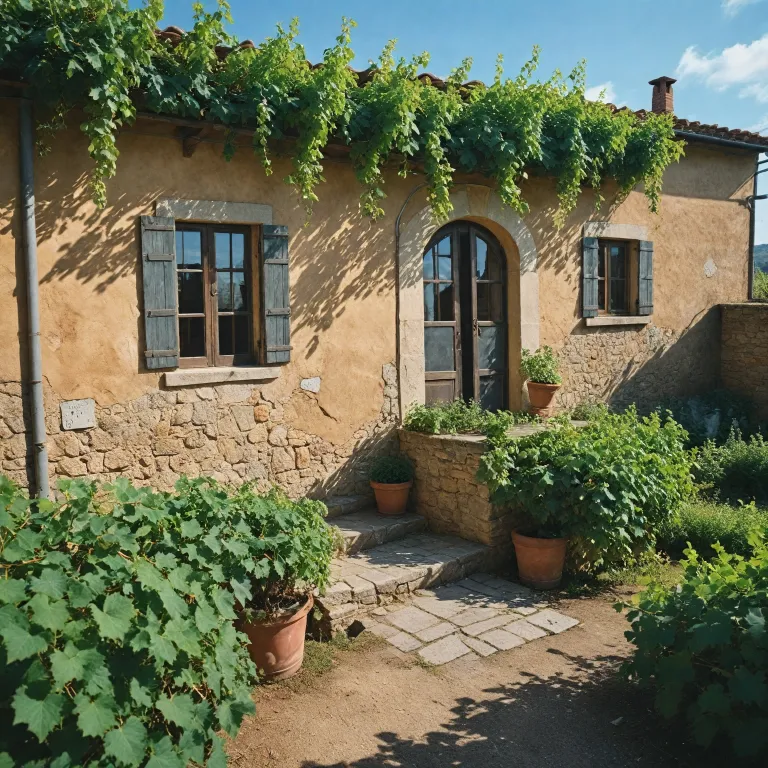
The origins and evolution of Tignanello wine in Tuscany
Tignanello wine stands as a symbol of Italian innovation, crafted by Marchesi Antinori in the heart of Tuscany. This renowned red wine is produced at the Tenuta Tignanello estate, nestled in San Casciano in Val di Pesa, where the region’s rich soils and rolling vineyards shape the character of the grapes. The Antinori family, with a winemaking legacy dating back centuries, introduced Tignanello as a blend that challenged conventions by combining Sangiovese, Cabernet Sauvignon, and Cabernet Franc. This blend, matured in small oak barrels, marked a turning point for Italian wines, especially in the Chianti Classico region.
Historically, Italian red wines from this area included white grapes, but Tignanello wine broke away from this tradition. The decision to exclude white grapes and focus on a blend of Sangiovese, Cabernet Sauvignon, and Cabernet Franc allowed for a deeper, more complex profile. The wine is aged for approximately 14 to 16 months in French and Hungarian oak barrels, a process that imparts subtle spice and structure. Over the years, Tignanello has become one of the top wines representing the Super Tuscan movement, celebrated for its elegance and balance.
The Antinori family’s commitment to quality is evident in every vintage. Selective harvesting ensures only the best grapes are used, and meticulous fermentation techniques highlight the unique attributes of each varietal. The result is a red wine that consistently earns high praise from critics and enthusiasts alike. Tignanello wine’s evolution reflects a blend of tradition and modernity, making it a benchmark for Italian wine excellence.
Understanding the Tignanello blend: grapes, barrels, and aging
The composition of Tignanello wine is both precise and purposeful. The blend typically consists of 85% Sangiovese, 10% Cabernet Sauvignon, and 5% Cabernet Franc, each contributing distinct qualities to the final wine. Sangiovese brings vibrant acidity and red fruit notes, while Cabernet Sauvignon and Cabernet Franc add structure, depth, and aromatic complexity. The careful selection of grapes from the estate’s 47 hectares ensures that only the finest fruit is used for each vintage.
Once harvested, the grapes undergo fermentation in conical vats, followed by maceration on the skins to extract color and tannins. Malolactic fermentation takes place in small oak barrels, softening the wine’s texture and enhancing its mouthfeel. The aging process is critical: Tignanello spends 14 to 16 months in a combination of French and Hungarian oak barrels, which impart subtle vanilla, spice, and toasted notes. This careful maturation allows the wine to develop complexity while preserving the freshness of the fruit.
Unlike many traditional Italian red wines, Tignanello wine is produced without the inclusion of white grapes, focusing solely on red varietals for a more intense and harmonious profile. The use of small oak barrels, rather than large casks, was a pioneering choice that set Tignanello apart from its peers. For those interested in the broader context of Italian wine and vineyard travel, exploring the history of Super Tuscan wines provides valuable insight into the region’s evolution.
Visiting the Tignanello estate: a journey through San Casciano in Val di Pesa
Travelers seeking an immersive wine experience will find the Tignanello estate in San Casciano in Val di Pesa an essential destination. The estate’s location in the heart of Tuscany offers sweeping views of vineyards, olive groves, and the rolling hills that define the Chianti Classico region. Guided tours of the estate provide visitors with a behind-the-scenes look at the winemaking process, from the vineyard to the cellar. Guests can walk among the rows of Sangiovese and Cabernet vines, learning about the meticulous care that goes into cultivating the grapes.
The cellars at Tenuta Tignanello are a testament to the Antinori family’s dedication to tradition and innovation. Here, visitors witness the aging of Tignanello wine in small oak barrels, a process that has become synonymous with quality and refinement. Tastings are available by reservation, allowing guests to sample a range of vintages and appreciate the nuances that define each year’s production. The estate’s proximity to the historic town of San Casciano adds cultural depth to the visit, with opportunities to explore local cuisine and architecture.
For those planning a wine and vineyard travel itinerary, the Tignanello estate serves as a gateway to the broader Chianti Classico region. Nearby attractions include medieval villages, artisanal markets, and other renowned vineyards. To enhance your journey, consider referencing this comprehensive guide to Tuscan wine routes, which highlights the best experiences for wine enthusiasts.
The influence of terroir: rich soils and microclimate of Tignanello
The unique terroir of the Tignanello vineyard plays a pivotal role in shaping the wine’s character. Situated at an altitude of 350 to 400 meters, the vineyard benefits from a combination of limestone-rich soils and a favorable microclimate. These conditions promote optimal ripening of Sangiovese, Cabernet Sauvignon, and Cabernet Franc grapes, resulting in wines with vibrant acidity, refined tannins, and expressive aromatics. The vineyard’s orientation and drainage further enhance the quality of the fruit, contributing to the consistency of top wines produced each year.
The Antinori family’s commitment to sustainable viticulture ensures that the land is preserved for future generations. Practices such as cover cropping, minimal intervention, and careful water management help maintain soil health and biodiversity. The result is a harmonious relationship between the vineyard and its environment, reflected in the purity and balance of Tignanello wine. The influence of terroir is evident in every glass, with each vintage expressing the nuances of the growing season and the vineyard’s unique attributes.
Wine enthusiasts often seek out Tignanello for its ability to capture the essence of the Chianti Classico region. The interplay of Sangiovese, Cabernet Sauvignon, and Cabernet Franc, combined with aging in small oak barrels, creates a red wine that is both distinctive and representative of its origin.
Pairing Tignanello wine: culinary traditions and tasting notes
Tignanello wine is celebrated not only for its structure and complexity but also for its versatility at the table. The blend of Sangiovese, Cabernet Sauvignon, and Cabernet Franc produces a red wine with vibrant cherry and plum notes, complemented by hints of tobacco, leather, and spice from the oak barrels. The wine’s balanced acidity and refined tannins make it an ideal companion for a range of Italian dishes, from hearty meats to aged cheeses.
Classic pairings include bistecca alla Fiorentina, rosemary-crusted lamb, and porcini mushroom risotto, each highlighting different facets of the wine’s profile. The wine’s depth and elegance also allow it to stand up to robust flavors, making it a favorite among sommeliers and chefs. For those interested in exploring the full spectrum of Italian wine, Tignanello offers a benchmark for quality and innovation, consistently ranking among the top wines in critical reviews.
As noted in the dataset, "Tignanello pairs well with dishes like bistecca alla Fiorentina, rosemary-crusted lamb, porcini mushroom risotto, and aged Italian cheeses." This versatility, combined with the wine’s aging potential, ensures that each vintage offers a unique tasting experience. Whether enjoyed young or after several years in the cellar, Tignanello wine remains a testament to the artistry of Italian winemaking.
Collecting and aging Tignanello: vintage, value, and global acclaim
Tignanello wine has earned a reputation as one of the most collectible Italian wines, prized for its consistency, aging potential, and critical acclaim. Each vintage reflects the careful balance of Sangiovese, Cabernet Sauvignon, and Cabernet Franc, matured in small oak barrels to achieve optimal complexity. The wine’s ability to develop over 15 to 20 years makes it a favorite among collectors and enthusiasts seeking to build a diverse cellar.
Recent vintages of Tignanello have received scores of 97 to 98 points from leading critics, cementing its status among the top wines of Italy. The price range for Tignanello varies by vintage and retailer, with bottles typically available for €140 to €190. As noted in the dataset, "Tignanello is available at select wine retailers, online wine shops, and through the Antinori website." This accessibility, combined with the wine’s pedigree, has contributed to its global popularity.
For those new to collecting Italian wine, Tignanello offers a compelling introduction to the world of Super Tuscans. The wine’s blend of tradition and innovation, combined with its expressive character, ensures that each bottle tells a story of place and craftsmanship. As the Antinori family continues to refine their approach, Tignanello remains a benchmark for excellence in red wines, embodying the best of Italian viticulture.
Key statistics on Tignanello wine and vineyard travel
- Vineyard size: 47 hectares at Tenuta Tignanello in San Casciano in Val di Pesa
- Blend composition: 85% Sangiovese, 10% Cabernet Sauvignon, 5% Cabernet Franc
- Aging period: 14 to 16 months in French and Hungarian oak barrels
- Alcohol content: 13.5% ABV
- Recent vintages have scored 97-98 points from leading critics
- Tignanello can age for 15-20 years, developing greater complexity over time
Frequently asked questions about Tignanello wine
What is the price range for Tignanello?
Prices vary by vintage and retailer, but recent vintages typically range from €140 to €190 per bottle.
How long can Tignanello be aged?
Tignanello has excellent aging potential, with many vintages developing complexity over 15 to 20 years.
Is Tignanello considered a Super Tuscan?
Yes, Tignanello is one of the original Super Tuscan wines, known for blending traditional and non-traditional grape varieties.
References:
1. https://www.antinori.it/
2. https://www.winespectator.com/
3. https://www.decanter.com/