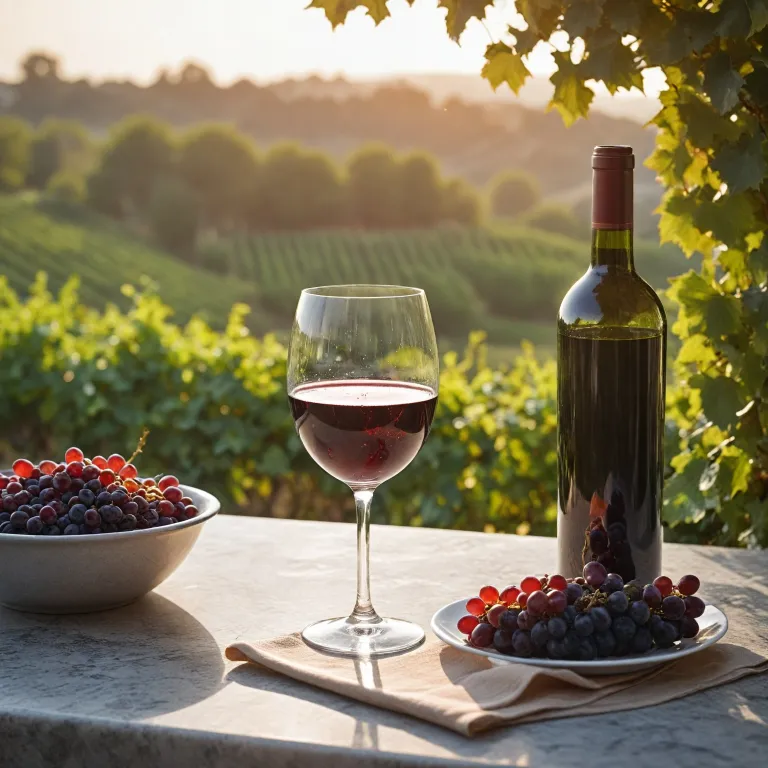
Rethinking chilled red wine on the road
Many travellers still assume every red wine should be poured at room temperature. Yet modern interiors, from vineyard guesthouses to city apartments, are often far warmer than the cool stone cellars that shaped this old rule. When you explore wine regions, understanding how a slightly chilled red can shine will elevate every tasting stop.
Wine experts now guide guests carefully on serving temperature, because they know a red that is too warm tastes heavy and blurred. They explain that serving red wine slightly chilled enhances its flavors and aromas, preventing the alcohol from overpowering the taste. This matters whether you are sipping a light red on a sunny terrace or a medium bodied classic beside a vineyard fire pit.
On the road, you will meet wine enthusiasts who travel with a small thermometer to check the temperature of their wines. They know that a light medium style, such as a young beaujolais or a delicate pinot, feels brighter when the wine is chilled a bit. Even structured reds with firm tannins can work well at a slightly lower temperature, especially in summer when the sun amplifies every sensation.
Think of chilled reds as a way to highlight red fruit and freshness rather than to mask flaws. A well chilled glass of natural wine from the united states, for example, can taste wonderfully fruit forward and energetic. When you plan vineyard visits, ask how the estate prefers to chill red bottles, and note which red wines feel great chilled during your tastings.
Ideal temperatures for chilled reds during vineyard visits
Understanding temperature ranges helps you judge when a chilled red wine is at its best. Light red wines, including many beaujolais and pinot based cuvées, usually shine around 13 °C, where red fruit aromas feel vivid. Medium bodied reds often work well a little warmer, close to 15 or 16 °C, which keeps tannins supple yet still refreshing.
Fuller reds, often poured in cellar tasting rooms, can feel clumsy if served at true room temperature in heated spaces. Instead, aim for a gentle chill so the wine stays around 18 °C, which balances alcohol, fruit, and structure. This approach respects tradition while adapting to modern travel conditions, where insulated buildings and warm cars can quickly overheat any red wine.
When you tour estates that specialise in pinot noir, ask to compare one glass at cellar temperature and another slightly cooler. You will notice how the chilled red highlights delicate fruit while the warmer glass emphasises spice and tannins. This simple exercise deepens your understanding of how chilling shapes both red wines and your overall food wine pairing choices.
For travellers keen on technical precision, a small wine thermometer is a discreet but valuable tool. It helps you avoid serving a great chilled bottle too cold, which can mute aromas and make tannins feel hard. To refine your palate further, read detailed guides on understanding what is dry wine, then relate that knowledge to how temperature influences perceived sweetness and dryness in red wines.
Choosing the best chilled reds in different wine regions
As you move between wine regions, you will notice that some reds are naturally suited to being chilled. Grapes with thin skins and gentle tannins, such as gamay and pinot, often produce light red wines that feel great chilled. In contrast, very powerful reds with dense tannins usually prefer only a modest chill, to keep their structure intact.
When tasting flights, ask which red wines the estate team likes to serve cooler in summer. They may point you toward a fruit forward cuvée with bright red fruit, or a natural wine that gains precision when the wine is chilled. These conversations with wine experts and fellow wine enthusiasts build your confidence in selecting the best wine for warm evenings.
In many cellars, you will find a dedicated cool room where they store bottles at a stable temperature. This is especially important for chilled red options that are poured by the glass throughout the day. If you plan to buy reds to drink later, ask how long to chill red bottles in your accommodation fridge before serving them with local food.
Travellers from the united states often arrive expecting every red wine to be poured quite warm. After a few tastings of chilled reds, many change their habits and start to chill red bottles at home as well. When you select wines to bring back, think about which reds will work well with a light chill in your own climate and kitchen.
Practical ways to chill red wine while travelling
On the road, you rarely have a perfect cellar, so practical chilling methods matter. A simple refrigerator can bring a red wine down to a suitable temperature in about twenty minutes. If the bottle becomes a bit too cold, let the wine warm slightly in the glass until the aromas of red fruit feel expressive again.
Many vineyard stays provide an ice bucket, which is ideal for quick chilling. Fill it with equal parts ice and water, then immerse the bottle up to the neck for a controlled chill. Check the temperature regularly, because a light red or medium bodied style can become too cold if forgotten in the bucket.
When you store red wines in a warm room, try to keep them away from direct sunlight and heat sources. Even a great chilled bottle will taste flat if it has been overheated beforehand. For longer trips, an insulated bag can help maintain a well chilled state, especially for delicate pinot noir or beaujolais that you plan to drink soon.
Remember that room temperature on a summer journey may reach 24 °C or more. In such conditions, serving red wine without any chilling will exaggerate alcohol and make tannins feel coarse. Instead, aim for a gentle chill so the wine feels balanced, refreshing, and ready to drink with regional dishes after a day among the vines.
Food and wine pairings for chilled red on vineyard journeys
Chilled red wine opens a wide range of food wine pairings that suit relaxed vineyard travel. A light medium style with bright red fruit works well with charcuterie, grilled vegetables, and simple pasta dishes. Medium bodied reds, served at a slightly higher temperature, complement roasted meats and richer sauces without feeling heavy.
In coastal regions, you may be surprised how a light red, well chilled, can pair beautifully with grilled fish. The key is choosing reds with modest tannins and a fruit forward profile, such as certain natural wine cuvées. These wines feel especially refreshing in summer, when white wines alone might seem repetitive over several days of travel.
When visiting estates that specialise in pinot noir, ask for pairing suggestions that highlight the grape’s versatility. Many winemakers enjoy their own pinot wines slightly chilled with local cheeses, cured meats, or mushroom dishes. This approach shows how chilled red can bridge the gap between traditional red wine service and the lighter, fresher style many travellers now prefer.
If you plan a picnic among the vines, pack one bottle to drink at a cooler temperature and another closer to room temperature. Compare how the same red wine behaves with different foods as the chill fades gradually. These small experiments deepen your understanding of red wines and help you choose the best serving style for future vineyard journeys.
Understanding tannins, texture, and the character of chilled reds
Chilling affects not only temperature but also how you perceive tannins and texture. A slightly chilled red wine often feels more focused, with red fruit notes standing out clearly. However, if the wine is too cold, tannins can seem harder and the palate may feel a bit narrow.
Light red wines with gentle structure usually tolerate a deeper chill, especially in warm weather. Medium bodied reds, by contrast, often show best when only modestly cooled, so their texture remains supple. When you taste in cellars, pay attention to how each grape variety responds as the wine warms slowly in your glass.
Grapes like gamay and pinot noir naturally produce softer tannins, which is why they are often recommended as great chilled options. Beaujolais, in particular, has become a reference for travellers seeking chilled red styles that remain serious yet playful. These wines can be some of the best companions for long lunches during vineyard tours in the united states and beyond.
As you refine your palate, you will learn to judge when a wine chilled state enhances complexity rather than hiding it. Ask wine experts to explain how they manage tannins in the vineyard and cellar to create reds that work well at various temperatures. Over time, you will build a mental map of which red wines feel great chilled and which prefer a more classic serving style.
Elevating your chilled red wine rituals beyond the vineyard
Returning home from a vineyard journey, many travellers want to recreate the same chilled red experiences. Start by adjusting how you store red wines, keeping them in a cool, dark place rather than at fluctuating room temperature. Before serving, place the bottle in the refrigerator for about 15–30 minutes before serving to achieve the optimal temperature.
Investing in simple tools, such as an accurate thermometer and an insulated sleeve, helps you serve each red wine at its best. These small details turn an ordinary drink into a thoughtful ritual that reflects what you learned on the road. When choosing gifts, consider curated sets that highlight great chilled options, and explore refined ideas in this guide to elevating wine gifting.
As you share bottles with friends, explain why you no longer default to serving reds at full room temperature. Many will be surprised how a well chilled glass of pinot noir or beaujolais feels more vibrant and food friendly. This is especially true in summer, when a slightly cooler red can be the best wine choice for outdoor meals.
Finally, remember that not every chilled red must follow strict rules to be enjoyable. Use guidelines from wine experts as a starting point, then adjust the chill until the fruit, tannins, and texture feel harmonious to you. In doing so, you carry the spirit of thoughtful vineyard travel into every glass you pour at home.
Key statistics on serving temperatures for red wines
- Ideal serving temperature for many light bodied red wines is close to 13 °C, which keeps red fruit flavours bright and refreshing.
- Medium bodied reds often show best around 15–16 °C, balancing tannins, acidity, and fruit without feeling heavy.
- Fuller bodied red wines usually perform well near 18 °C, slightly below typical indoor room temperature in heated spaces.
Questions travellers often ask about chilled red wine
Why should red wine be served slightly chilled?
Serving red wine slightly chilled enhances its flavors and aromas, preventing the alcohol from overpowering the taste. This is particularly helpful in warm climates or heated interiors, where a red served at true room temperature can feel unbalanced. A modest chill keeps the wine refreshing while still allowing complexity to emerge.
How long should I chill red wine before serving?
Place the bottle in the refrigerator for about 15–30 minutes before serving to achieve the optimal temperature. Lighter reds may benefit from the longer end of that range, especially in summer. If the wine feels a bit too cold, simply let it warm in the glass until the aromas open fully.
Does chilling red wine apply to all types?
Lighter red wines benefit more from chilling, while fuller bodied reds should be served just below room temperature. Grapes with softer tannins, such as gamay or pinot noir, are especially suited to being served as chilled reds. Structured, powerful wines can still work well with a slight chill, but they usually prefer a more moderate temperature.