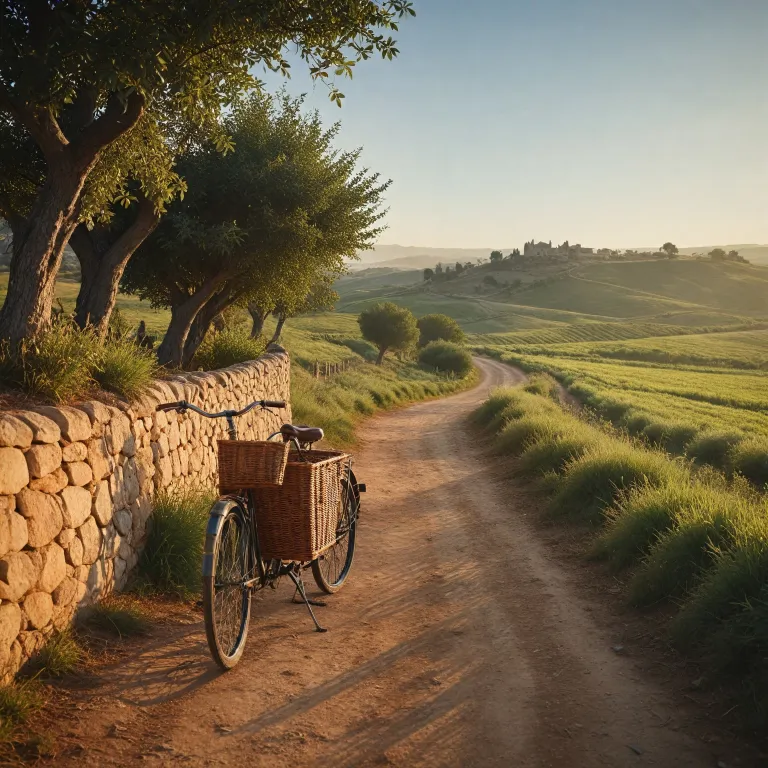
Ribera del Duero wine and the character of Spain’s high plateau
Ribera del Duero wine invites travelers into a Spanish landscape shaped by altitude and light. This celebrated wine region stretches along the Duero river in Castile and León, where vineyards climb to around 800 to 900 metres. The combination of high plateau, sparse rainfall, and sharp diurnal shifts creates growing conditions that challenge vines yet reward patient viticulturists.
Here, Tempranillo is king, locally called Tinto Fino, and it dominates both the wines and the culture. Tempranillo grape growers work parcels that face scorching summers and freezing winters, and these conditions in Ribera del Duero forge thick skinned berries with concentrated flavours. The Ribera del Duero Regulatory Council oversees this Denominación de Origen Protegida, ensuring that every wine sold under the appellation reflects its demanding terroir and strict standards.
Most visitors arrive seeking powerful red wines, yet the region increasingly experiments with white wines and fresher styles. Traditional crianza and reserva categories still define many cellars, with aging months in oak and bottle carefully tracked on each label. These aging months influence not only texture and aroma but also the final price, especially for structured reserva and gran reserva cuvées.
Aranda de Duero forms a natural base for exploring surrounding villages and vineyards. Its underground cellars, carved beneath the streets, once stored duero wines before they were sold across Spain and beyond. Today, these same tunnels host tastings that reveal how Spanish wine from this plateau differs from bottles from other regions, such as Rioja or the coastal appellations.
Planning a ribera del duero wine itinerary through villages and cellars
Designing a ribera del duero wine journey begins with understanding distances and seasons. The region lies in northern Spain, within the broader territory of Castilla y León, and its vineyards line the Duero river between Valladolid and Soria. Many travelers pair Ribera del Duero with nearby Ribera Rueda, combining structured reds with lively whites from neighbouring wine regions.
Harvest months, typically early autumn, offer the most immersive atmosphere for wine focused travel. During these months, visitors can watch Tinto Fino bunches arrive at wineries, observe sorting tables, and speak with winemakers about growing conditions and fermentation choices. The climate’s extremes, with hot days and cool nights, are central to every conversation about conditions Ribera producers face each season.
When planning visits, consider how many wineries you can comfortably see in a day. Distances between villages are modest, yet tastings of powerful red wines demand time and attention, especially when reserva and gran reserva bottles are poured. Many estates now also present white wines and rosado options, offering a refreshing counterpoint to the structured reds that made the region famous.
For travelers comparing Spanish wine regions, it can be helpful to read about other European vineyard routes. An excellent complement is this guide to rosé wines and vineyard journeys across Europe, which contrasts coastal influences with the continental climate of Ribera del Duero. Such context clarifies why duero wines, shaped by altitude and low rainfall, feel so distinct in the glass.
Tempranillo, tinto fino and the structure of ribera del duero wine
At the heart of every ribera del duero wine itinerary lies Tempranillo, known locally as Tinto Fino. This grape accounts for the vast majority of plantings, and Tempranillo grape growers have adapted their work to the region’s demanding growing conditions. The result is red wines with deep colour, firm tannins, and a balance of ripe fruit and savoury spice that defines modern Spanish wine prestige.
Visitors quickly notice how Tinto Fino expresses itself differently across villages and soils. In some areas of the region, sandy plots yield softer duero wines, while limestone terraces give more vertical, age worthy structures. Conversations in tasting rooms often turn to aging months in oak, with winemakers explaining how French and American barrels shape flavours and influence the final price of each cuvée.
While red wines dominate, a small but growing number of estates experiment with white wines from permitted varieties. These whites, often aged briefly on lees, provide a refreshing counterpoint during long tasting days, especially in the warmer months. Travelers who appreciate nuanced rosés may enjoy comparing these whites with coastal expressions from Santa Barbara, such as those described in this article on the charm of Love You Bunches rosé.
For many enthusiasts, the most memorable experiences involve vertical tastings of reserva and gran reserva bottlings. These sessions highlight how aging months in bottle soften tannins and integrate oak, especially in structured Tinto Fino wines. They also illuminate why certain parcels, exposed to harsher conditions Ribera wide, consistently produce grapes destined for the longest lived cuvées.
Icons of ribera del duero wine: vega sicilia, emilio moro and pago los capellanes
Any serious exploration of ribera del duero wine will eventually lead to its most emblematic estates. Names such as Vega Sicilia, Emilio Moro, and Pago de los Capellanes have become reference points for collectors of Spanish wine worldwide. These producers helped transform the region from a local stronghold into one of Europe’s most respected red wine regions.
Vega Sicilia stands as the historic benchmark, crafting duero wines that age gracefully for decades. Many bottles of Vega Sicilia are sold long before release through allocations, and their price reflects both scarcity and meticulous work in the vineyards. Travelers fortunate enough to taste these wines in situ gain a deeper appreciation for how growing conditions and long aging months intersect to create complexity.
Emilio Moro represents another pillar of the region, with the estate’s portfolio showcasing different expressions of Tinto Fino. The label Emilio Moro appears on wines that balance fruit and oak, while the cuvée Moro Malleolus offers a denser, more concentrated style from older vines. In many markets, bottles of Emilio Moro are sold alongside other leading Spanish wine references, and visitors often compare their structure with that of Vega Sicilia during tastings.
Pago de los Capellanes, often shortened to Pago Los Capellanes, has built a reputation for polished, modern duero wines. In some export markets, limited parcels are sold Pago by Pago, highlighting specific soils and exposures. These estates collectively demonstrate how a single wine region can host multiple stylistic interpretations, all grounded in the same demanding conditions Ribera growers face each season.
Reading labels, understanding price and choosing duero wines on the road
Navigating wine lists in Ribera del Duero restaurants becomes easier once you understand local terminology. Labels often highlight the grape as Tinto Fino or Tempranillo, the village, and the aging category, such as crianza or reserva. These categories correspond to minimum aging months in barrel and bottle, which strongly influence both style and final price.
Travelers will notice that reserva wines typically command higher prices than joven or crianza bottlings. This reflects not only the extra aging months but also the selection of grapes from older vines or superior parcels, where growing conditions yield more concentrated fruit. When several vintages are sold side by side, it offers an excellent opportunity to taste how duero wines evolve with time in bottle.
Wine lists increasingly include white wines and rosados from Ribera Rueda and other nearby regions. Pairing these with local dishes, such as roasted lamb or grilled vegetables, helps reveal the versatility of Spanish wine beyond the powerful reds. For a broader perspective on stylistic diversity, many travelers compare these experiences with cool climate reds from Anderson Valley, using resources like this guide to elegant Pinot Noir vineyard experiences.
When buying bottles to take home, ask which cuvées are most often sold to local diners rather than only to collectors. Wines that are quickly sold Emilio or sold Pago in restaurants often represent excellent value, reflecting authentic regional taste. Paying attention to these details allows you to build a personal collection of duero wines that recalls specific meals, villages, and conversations from your journey.
Wine tourism, sustainability and the future of ribera del duero wine
Wine tourism in Ribera del Duero has expanded significantly, yet the region retains an agricultural soul. More than three hundred wineries operate across roughly twenty seven thousand hectares, and many now welcome visitors for tastings and vineyard walks. These experiences often highlight how sustainable practices and precision viticulture help producers adapt to changing growing conditions.
Guided tours frequently begin among the vines, where guests can feel the stony soils and understand water stress. Winemakers explain how the extreme continental climate, with hot summers and cold winters, shapes both yields and flavour concentration. They also emphasise how conditions Ribera wide demand careful canopy management to protect Tinto Fino bunches from sunburn while preserving acidity.
Inside the cellars, visitors see a blend of traditional and modern techniques. Stainless steel tanks sit alongside oak vats, and barrel rooms hold rows of French and American oak where reserva and gran reserva wines rest for many aging months. Staff often reference the role of the Ribera del Duero Regulatory Council in maintaining quality standards and protecting the reputation of duero wines abroad.
As global demand for Spanish wine grows, the region’s challenge is to balance volume with identity. Producers in Castilla y León increasingly focus on site specific bottlings, highlighting individual pagos and old vine plots. “The combination of high-altitude vineyards, extreme continental climate, and predominant use of the Tempranillo grape contributes to the distinctive character of Ribera del Duero wines.”
Key figures and essential questions for ribera del duero wine travelers
Important statistics for planning your visit
- Total vineyard area in Ribera del Duero is approximately 27 253 hectares, reflecting a substantial yet focused wine region.
- The area is home to around 317 wineries, offering ample opportunities for cellar visits and tastings.
- Recent annual bottle certification has exceeded 92 million bottles, underlining strong global demand for duero wines.
- Annual grape harvest volume has reached about 129 500 000 kilograms, demonstrating the scale of viticulture in Castilla y León.
- Tempranillo, locally known as Tinto Fino, represents roughly 95 percent of cultivated vines, confirming its dominance in regional red wines.
What makes Ribera del Duero wines unique ?
The uniqueness of ribera del duero wine begins with altitude and climate. High elevation vineyards experience hot days and cool nights, which slow ripening and preserve acidity in Tempranillo grapes. Combined with diverse soils and a focus on Tinto Fino, these factors yield red wines with intense flavour, firm structure, and notable aging potential compared with many other Spanish wine regions.
How does the climate affect Ribera del Duero wines ?
The climate of Ribera del Duero is markedly continental, with hot summers, cold winters, and sharp temperature swings between day and night. These conditions Ribera wide encourage thick skins and concentrated flavours, but they also demand careful vineyard management to avoid frost and sunburn. For travelers, this means that each glass of duero wines reflects a constant negotiation between risk and reward in the vineyards.
What are the main grape varieties used in Ribera del Duero wines ?
Tempranillo, or Tinto Fino, is the dominant grape, accounting for the vast majority of plantings and defining the style of most red wines. Small amounts of Cabernet Sauvignon, Merlot, Malbec, and Garnacha are also permitted, usually blended to add structure, aromatics, or mid palate richness. White wines remain a minority, yet their growing presence in cellars and on wine lists adds welcome diversity for visitors exploring this influential Spanish wine region.