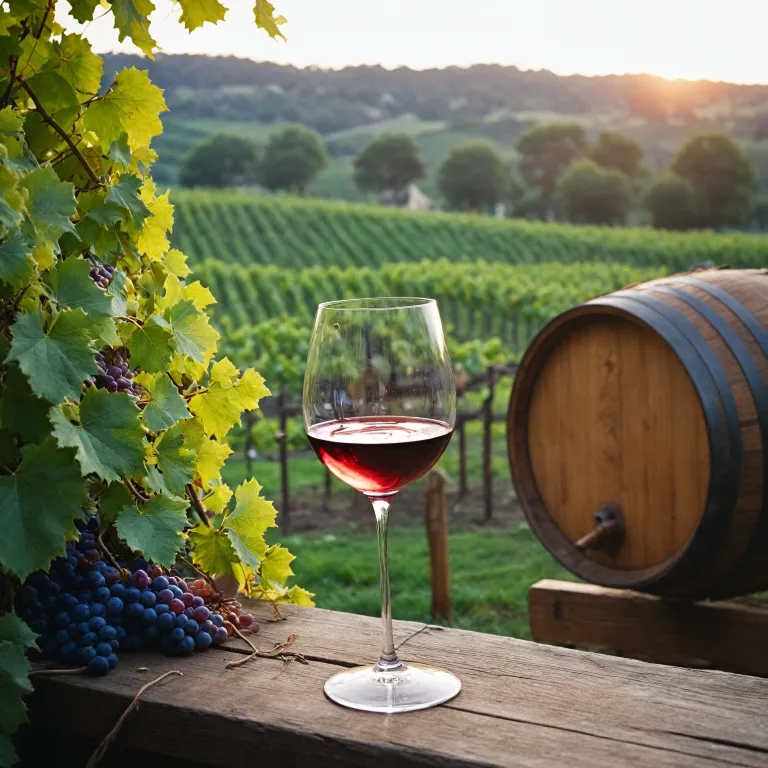
Understanding the fundamentals of wine tasting on vineyard journeys
Wine and vineyard travel offers a unique opportunity to immerse oneself in the world of wine tasting. To truly appreciate the nuances of each vintage, it is essential to understand the basics of wine tasting. Begin by observing the wine’s color and clarity, which can reveal much about its age and grape variety. Swirl the glass gently to release the wine’s aromas, then inhale deeply to identify primary scents such as fruit, floral, or earthy notes. This sensory approach allows travelers to connect with the terroir and craftsmanship behind each bottle.
On a vineyard journey, tasting wine is more than just sipping; it is about engaging all senses. Sommeliers recommend holding the glass by the stem to avoid warming the wine with your hand, preserving its intended temperature. Take a small sip and let the wine coat your palate, noting the balance between acidity, tannins, and sweetness. This methodical process enhances the appreciation of both singular and blended wines, making each tasting memorable.
Wine and vineyard travel is not only about the wines themselves but also about the stories and traditions that shape them. By mastering the fundamentals, travelers can engage confidently with winemakers and sommeliers, deepening their understanding of regional styles and production methods. Whether exploring renowned estates or hidden gems, these foundational skills elevate every tasting experience.
Decoding sommeliers’ techniques for evaluating wines
Sommeliers possess a refined set of techniques for evaluating wines, which can greatly enhance any wine and vineyard travel experience. One key practice is the systematic approach to tasting, which involves assessing appearance, aroma, taste, and finish. This structured method helps travelers identify subtle differences between varietals and vintages. Sommeliers often recommend comparing wines side by side to better understand their unique characteristics.
During wine and vineyard travel, pay attention to the wine’s legs or tears, which indicate alcohol content and viscosity. Swirling the glass not only aerates the wine but also helps release complex aromas. Sommeliers advise taking notes during tastings, recording impressions of flavor, structure, and mouthfeel. This habit builds a personal reference library, enriching future wine and vineyard travel experiences.
Another technique is to pair wines with local cuisine, as sommeliers often do. This practice highlights the interplay between food and wine, revealing new dimensions of flavor. By adopting these professional methods, travelers can approach each tasting with confidence and curiosity, making the most of their wine and vineyard travel adventures.
Mastering the art of sensory evaluation in vineyard settings
Sensory evaluation is at the heart of wine and vineyard travel, allowing enthusiasts to fully appreciate the complexity of wines. Sommeliers emphasize the importance of a distraction-free environment, where one can focus on the wine’s sensory attributes. Begin by examining the wine’s color against a white background, noting any variations that suggest age or grape variety. The next step is to assess the aroma, which can range from fresh fruit to earthy undertones.
On wine and vineyard travel, tasting sessions often include a variety of wines, from crisp whites to robust reds. Sommeliers suggest cleansing the palate between tastings with water or plain bread, ensuring each wine is evaluated on its own merits. Pay attention to the wine’s texture and finish, as these elements reveal the skill of the winemaker and the quality of the grapes. Sensory evaluation is a skill that improves with practice, making each wine and vineyard travel experience more rewarding.
Engaging with sommeliers during vineyard visits provides valuable insights into the sensory aspects of wine. Their expertise helps travelers identify subtle aromas and flavors, deepening their appreciation for the craft. By mastering sensory evaluation, wine and vineyard travel becomes a journey of discovery and delight.
Pairing wine and local cuisine: enhancing the tasting experience
One of the highlights of wine and vineyard travel is the opportunity to pair wines with regional cuisine. Sommeliers are adept at selecting wines that complement local dishes, creating harmonious flavor combinations. For example, a crisp Sauvignon Blanc may enhance the freshness of a seafood dish, while a bold Cabernet Sauvignon pairs beautifully with grilled meats. Understanding these pairings elevates the tasting experience, allowing travelers to savor the best of both wine and food.
During wine and vineyard travel, explore the culinary traditions of each region. Sommeliers often collaborate with chefs to design tasting menus that showcase local ingredients and wines. This synergy between food and wine is a hallmark of memorable vineyard journeys. Experiment with different pairings, noting how the flavors interact and enhance each other.
Wine and vineyard travel is enriched by the diversity of regional cuisines and wine styles. By following sommeliers’ recommendations, travelers can create unforgettable dining experiences that reflect the character of each destination. Pairing wine and food is an art that transforms every meal into a celebration of local culture and craftsmanship.
Engaging with sommeliers: learning from the experts during vineyard tours
Interacting with sommeliers is a valuable aspect of wine and vineyard travel. These experts possess a wealth of knowledge about wine production, tasting techniques, and regional specialties. During vineyard tours, take the opportunity to ask questions and seek recommendations. Sommeliers are often eager to share their insights, offering tips on how to evaluate wines and identify quality.
Wine and vineyard travel provides access to exclusive tastings and behind-the-scenes experiences. Sommeliers may guide visitors through barrel rooms, explaining the aging process and the influence of oak on flavor. Their expertise enhances the educational aspect of vineyard visits, making each tour both informative and enjoyable. Engaging with sommeliers also fosters a deeper connection to the local wine community.
For those interested in expanding their wine knowledge, sommeliers can suggest further reading or recommend additional vineyards to visit. Their guidance ensures that every wine and vineyard travel experience is tailored to individual preferences and interests. By building relationships with sommeliers, travelers gain access to a network of experts who can enrich future journeys.
Planning the ultimate wine and vineyard travel itinerary
Creating a well-structured itinerary is essential for a successful wine and vineyard travel experience. Begin by researching regions known for their wine production, considering factors such as climate, grape varieties, and cultural attractions. Sommeliers often recommend visiting a mix of established estates and smaller, family-run vineyards to gain a comprehensive understanding of the local wine scene. Allocate time for guided tastings, vineyard tours, and culinary experiences.
Incorporate seasonal events and festivals into your itinerary, as these offer unique opportunities to sample limited-edition wines and meet local producers. For inspiration, explore resources like a journey through the finest wine festivals in Europe, which highlights regional celebrations and tasting traditions. Plan transportation carefully, ensuring safe travel between vineyards and accommodations. Consider hiring a local guide or driver to enhance the experience and provide insider knowledge.
Wine and vineyard travel is most rewarding when approached with curiosity and an open mind. By following sommeliers’ insights and planning thoughtfully, travelers can create unforgettable journeys that celebrate the art of wine and the beauty of vineyard landscapes. Each itinerary becomes a personal exploration of taste, tradition, and terroir.
Key statistics on wine and vineyard travel
- Wine tourism generates billions of euros in revenue annually across Europe.
- Over 20 million travelers participate in wine and vineyard travel experiences each year.
- More than 60% of wine tourists seek immersive tasting sessions with sommeliers during their journeys.
Frequently asked questions about wine and vineyard travel
What is the best time of year for wine and vineyard travel?
The ideal time for wine and vineyard travel varies by region, but many travelers prefer the harvest season for its vibrant atmosphere and special events. Spring and autumn also offer pleasant weather and fewer crowds, making them popular choices for vineyard visits.
How can I make the most of a wine tasting experience during vineyard travel?
To maximize your wine tasting experience, engage with sommeliers, take detailed notes, and try a variety of wines and pairings. Participate in guided tours and tastings to gain deeper insights into the winemaking process and regional specialties.
Are there options for non-drinkers during wine and vineyard travel?
Yes, many vineyards offer non-alcoholic options such as grape juice tastings, culinary workshops, and scenic tours of the vineyards. These activities allow non-drinkers to enjoy the cultural and gastronomic aspects of wine and vineyard travel.
References: OIV, European Travel Commission, Wine Tourism Global Report