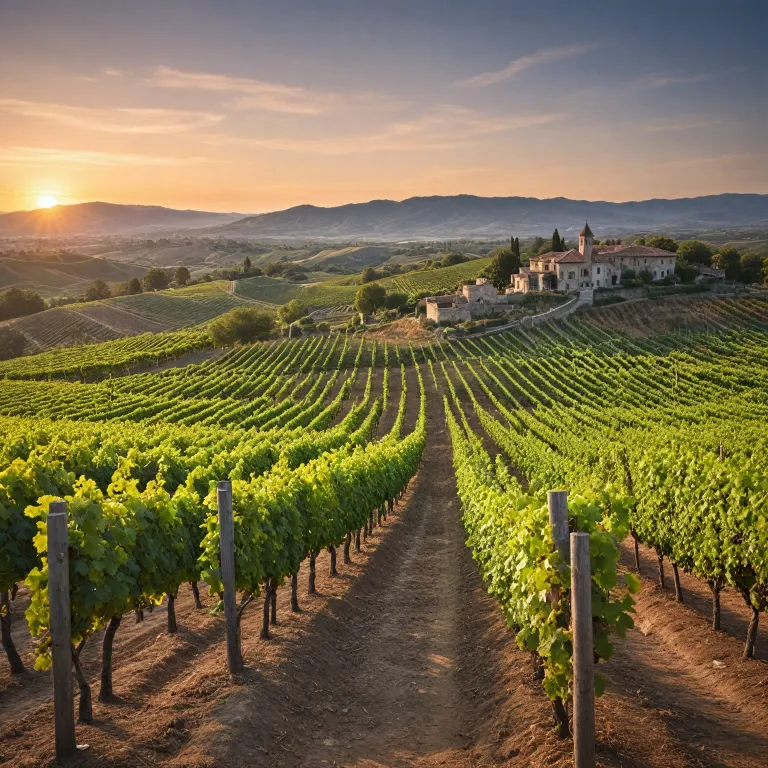
Tracing the roots of winemaking: a journey through historic vineyards
Embarking on a journey to historic vineyards offers a rare opportunity to immerse oneself in the living heritage of wine. These vineyards, often family-owned for generations, are more than just places to taste wines—they are custodians of tradition, architecture, and the evolution of winemaking. The valley landscapes, dotted with ancient vines and storied buildings, invite visitors to explore the artistry behind each bottle. Napa Valley, renowned for its cabernet sauvignon, is home to some of the best historic vineyards to visit, where the experience extends beyond the tasting room. Here, the interplay of soil, climate, and history shapes the wines, making every tour a lesson in both science and culture. The preservation of these estates is crucial, as they embody the spirit of winemaking and the commitment to sustainable practices that ensure future generations can enjoy their legacy.
Many of these vineyards offer guided tours that delve into the intricacies of wine making, from the cultivation of grapes to the aging process in historic cellars. The architecture of the vineyard winery buildings often reflects the era of their founding, with stone facades and wooden beams that have witnessed centuries of harvests. For those seeking a deeper connection, family vineyards frequently host upcoming events and special tasting experiences, allowing guests to sample rare wines and learn directly from the winemakers. The valley’s unique microclimates produce both white and red wines of exceptional character, and each estate’s story is as rich as the flavors in their glasses. Exploring these vineyards wine estates is not just about tasting; it is about understanding the enduring relationship between land, people, and tradition.
Iconic estates and their enduring influence on wine culture
Among the most celebrated historic vineyards to visit are names like Beringer Vineyards, Inglenook, and Gundlach Bundschu Winery. These estates have shaped the identity of Napa Valley and Sonoma, blending innovation with respect for tradition. Beringer Vineyards, the oldest continuously operating winery in Napa Valley, stands as a testament to the resilience and vision of its founders. Its tasting room, open daily, welcomes guests to sample cabernet sauvignon and other varietals that have defined the region’s reputation. The estate’s commitment to preserve historic buildings and landscapes is evident in every detail, from the manicured gardens to the restored cellars.
In Sonoma, Gundlach Bundschu Winery and Sebastiani Vineyards and Winery offer immersive tours that highlight the evolution of winemaking techniques and the role of family in sustaining these enterprises. The valley’s rolling hills provide a picturesque backdrop for wine tasting, with each vineyard winery offering a unique perspective on the art of blending and aging. Many estates, such as Buena Vista Winery, integrate food pairings into their tasting experiences, elevating the appreciation of both wine and local cuisine. For those interested in the broader context, organizations like the Historic Vineyard Society play a vital role in educating the public and promoting the preservation of these cultural treasures. For a curated guide to the best wine tours in the region, visit this comprehensive resource on wine tours.
Planning your visit: tips for an enriching vineyard experience
When planning to visit historic vineyards, timing and preparation are key to maximizing your experience. Many estates recommend booking tours in advance, especially for popular tasting experiences on Saturday and Sunday. Arriving during off-peak hours can provide a more intimate atmosphere, allowing for deeper engagement with the winemaking process and the people behind the wines. Guided tours often include access to areas not open to the general public, such as barrel rooms and private gardens, where the nuances of wine making are explained in detail.
For those seeking to explore multiple vineyards wine estates in a single trip, mapping out a route through the valley ensures efficient travel and diverse tasting opportunities. Consider joining a wine club at your favorite estate to enjoy exclusive benefits, such as invitations to upcoming events and access to limited-release wines. Many vineyards also offer educational sessions on the history of winemaking, the significance of terroir, and the evolution of grape varieties like cabernet sauvignon and white blends. For additional insights on planning your wine-focused itinerary, explore this expert guide to vineyard travel. Remember to check each estate’s website for frequently asked questions and reservation policies, as these can vary by season and event schedule.
Signature wines and tasting experiences in historic settings
The hallmark of any visit to a historic vineyard is the tasting experience, where guests sample wines that reflect decades, sometimes centuries, of expertise. Napa Valley’s estates are renowned for their cabernet sauvignon, while Sonoma and other regions offer a diverse array of white and red wines. Tasting rooms are designed to showcase the best of each vineyard winery, often featuring panoramic views of the valley and curated flights that highlight the estate’s signature styles. Many family vineyards emphasize the connection between food and wine, offering pairings that enhance the flavors of both.
Some estates, such as Chateau Ste. Michelle and Gold Seal Winery, are known for their innovative approaches to wine making, blending traditional methods with modern techniques. These vineyards wine estates often host upcoming events, including harvest festivals and educational workshops, where visitors can engage with winemakers and learn about the intricacies of vineyard management. The opportunity to shop wines directly from the source ensures authenticity and supports the ongoing preservation of these historic properties. For those unable to travel, virtual tasting experiences and interactive tours are increasingly available, allowing wine enthusiasts to connect with the heritage of these estates from afar.
Preserving heritage: the role of organizations and families
The continued vitality of historic vineyards depends on the dedication of both families and organizations committed to preservation. The Historic Vineyard Society, for example, plays a pivotal role in identifying and protecting vineyards with significant cultural and agricultural value. Their efforts to preserve historic sites ensure that the stories and techniques of past generations are not lost to time. Many family vineyards have established educational programs and partnerships with local tourism boards to promote awareness and appreciation of their unique contributions to winemaking.
Estate owners often invest in sustainable farming practices, recognizing that the health of the land is integral to producing high-quality wines. These initiatives include organic cultivation, water conservation, and habitat restoration, all aimed at maintaining the integrity of the valley’s ecosystem. The blending of tradition and innovation is evident in the architecture of vineyard winery buildings, where historic elements are preserved alongside modern amenities. Social media platforms like Facebook and Instagram are increasingly used to share stories, announce upcoming events, and connect with a global audience. The commitment to family values and community engagement is at the heart of every successful vineyard, ensuring that the legacy of winemaking endures for generations to come.
Frequently asked questions and expert insights on historic vineyard visits
Visitors often have questions about what defines a historic vineyard and how to make the most of their tour. As stated in the expert dataset, "A vineyard is typically considered 'historic' if it has been in operation for a significant period, often over 50 years, and has played a notable role in the history of winemaking in its region." This definition underscores the importance of longevity and influence in the designation of historic status. Many estates provide detailed information on their websites, including frequently asked questions about tour availability, tasting room hours, and reservation requirements. "Many historic vineyards offer tours and tastings to the public, but it's advisable to check their official websites for current visiting hours and reservation policies."
Another common inquiry concerns the oldest winery in the United States. According to the dataset, "Brotherhood Winery in Washingtonville, New York, established in 1839, is considered the oldest operating winery in the United States." This fact highlights the deep roots of winemaking in America and the enduring appeal of historic vineyards. For those planning a visit, it is recommended to review the estate’s policies on wine tasting, shop wines, and participation in wine club activities. Engaging with staff and winemakers during your tour can provide valuable insights into the history and future of these remarkable properties.
Key statistics on historic vineyards and wine tourism
- There are 139 historic vineyards in California, reflecting the region’s rich winemaking heritage.
- Bordeaux vineyards attract approximately 2,000,000 visitors annually, underscoring the global appeal of vineyard tourism.
Frequently asked questions about historic vineyards to visit
What is the oldest winery in the United States?
Brotherhood Winery in Washingtonville, New York, established in 1839, is considered the oldest operating winery in the United States.
Are historic vineyards open to the public?
Many historic vineyards offer tours and tastings to the public, but it's advisable to check their official websites for current visiting hours and reservation policies.
What makes a vineyard 'historic'?
A vineyard is typically considered 'historic' if it has been in operation for a significant period, often over 50 years, and has played a notable role in the history of winemaking in its region.
References:
Historic Vineyard Society: https://historicvineyardsociety.org/
Napa Valley History: https://www.napavalley.com/guides/napa-valley-history-tasting-itinerary/
Platypus Tours: https://www.platypustours.com/wine-tours/historic-wineries/