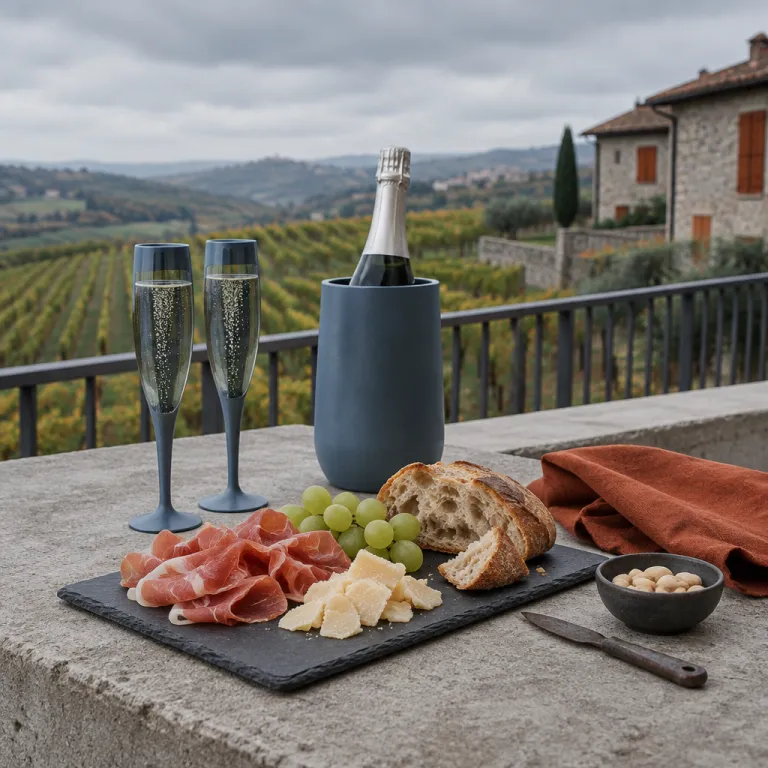
Why prosciutto and wine belong on your northern Italy itinerary
Prosciutto and wine form one of the most elegant pairings in Italy. When you travel through the hills between Conegliano and Valdobbiadene, every slice of cured ham seems designed for a glass of Prosecco wine. This prosciutto–wine harmony quickly becomes a guiding thread for planning vineyard routes and tasting stops.
In this region, producers treat wine as a gastronomic partner rather than a stand‑alone drink. The best prosciutto–wine experiences usually involve a chilled bottle of Prosecco sparkling beside thinly carved ham and local cheeses. You soon understand why sparkling wines from Conegliano Valdobbiadene hold DOCG status and why locals guard their pairing traditions so carefully, from historic estates such as Nino Franco and Adami to family‑run prosciutto houses in nearby villages.
Travelers often arrive expecting Champagne and leave speaking passionately about Prosecco Superiore. While Champagne–Prosecco comparisons are inevitable, the character of each sparkling wine style shapes very different prosciutto moments. Your journey becomes a study in texture, salt, sweetness, and the way second‑fermentation methods influence every sip, whether you are tasting a crisp brut or a gently rounded extra‑dry cuvée.
Reading the label: doc, docg and the styles that flatter prosciutto
Understanding Italian labels helps you choose the right prosciutto wine in any tasting room. When you see Prosecco DOC on a bottle, you are looking at a wider production area that still offers reliable sparkling freshness. A label marked Superiore DOCG from Conegliano Valdobbiadene signals stricter rules, lower yields, and usually more precise food pairings, as set out by the Consorzio di Tutela del Conegliano Valdobbiadene Prosecco Superiore DOCG.
For travelers focused on meat pairings, the style terms brut, extra dry, and dry matter as much as the region name. Classic prosciutto from north‑eastern Italy usually shines with extra‑dry Prosecco wine, where a touch of sweetness balances salt and fat. Very dry brut sparkling wines can be superb with aged prosciutto, especially when the meat develops nutty notes that echo the wine’s structure and longer maturation.
When planning a wine and food itinerary, use the label as your roadmap rather than a mystery code. A bottle marked Prosecco Superiore DOCG from Valdobbiadene often brings finer bubbles and more layered aromas, ideal for long lunches. For deeper guidance on meat pairings beyond prosciutto, look for comprehensive wine and meat pairing handbooks from Italian sommelier associations or regional tourism boards that specialise in vineyard travel.
Matching prosciutto styles with prosecco, white wine and sparkling rose
Not all prosciutto tastes the same, so your prosciutto wine choice should adapt. Lightly aged, delicately salted slices from Friuli Venezia Giulia call for a gentle sparkling wine rather than an aggressive style. A young Prosecco sparkling wine with floral notes and soft fruit usually flatters these subtle hams and keeps the pairing airy and refreshing.
When prosciutto becomes more intense, with longer curing and deeper savoury tones, consider structured white wine from the same region. Some travelers enjoy Friulian white wines with prosciutto, while others prefer a bottle of Prosecco from Conegliano Valdobbiadene to keep the pairing lively. For those who like a touch of colour, a dry sparkling rosé or still rosé wine can bridge the gap between meat richness and refreshing acidity, especially when the board includes sun‑ripened tomatoes or grilled vegetables.
Charcuterie boards in northern Italy often mix prosciutto with salami, cheese, and olives, which changes the ideal wine profile. In these cases, a versatile Prosecco with good fruit and acidity is usually more helpful than chasing a Prosecco–Champagne style blend, because well‑made Prosecco Superiore already offers enough complexity. For a broader view of how different sparkling wines interact with cured meats and cheeses, consult detailed charcuterie and wine pairing guides produced by Italian wine schools or regional consortia.
From vineyard to glass: how method and second fermentation shape the pairing
The way a sparkling wine is made has a direct impact on prosciutto–wine harmony. Most Prosecco wine relies on the Charmat method, where second fermentation happens in pressurised tanks to preserve fresh fruit. This approach keeps aromas of pear, apple, and white flowers that work beautifully with delicate prosciutto and lightly smoked cured meats.
Some producers in Conegliano and Valdobbiadene experiment with longer lees ageing or traditional‑method sparkling wines. These wines gain brioche and nutty notes that can echo the savoury depth of older prosciutto, especially when served slightly warmer than fridge temperature. Travelers interested in technique should ask at each winery how long the second fermentation lasted and whether the wine rested on lees before bottling, particularly at estates such as Bisol, Col Vetoraz, or Ruggeri.
Comparisons with Champagne are inevitable when you taste traditional‑method sparkling wines beside tank‑fermented Prosecco. Champagne–Prosecco debates often miss the point that each sparkling wine style serves a different culinary role. For prosciutto, the best choice is usually a precise, fruit‑driven Prosecco rather than a heavily autolytic Champagne, unless the ham itself is very mature and closer in flavour to Spanish jamón or long‑aged culatello.
Planning a prosciutto and prosecco route in Conegliano Valdobbiadene
A focused prosciutto wine itinerary in northern Italy starts with geography. The hills between Conegliano and Valdobbiadene form the heart of the Prosecco Superiore DOCG area, with steep vineyards and winding roads. Many travelers base themselves near Conegliano to reach both wineries and traditional prosciutto producers within short drives, often combining cellar tours with visits to small salumifici.
When visiting estates such as historic houses around San Pietro di Feletto or the slopes near Cartizze, ask specifically to taste Prosecco DOC and Prosecco Superiore side by side. The contrast between a simple Prosecco sparkling wine and a carefully crafted Superiore DOCG bottle reveals why this region earned UNESCO recognition. Some producers also bottle Prosecco sparkling rosé and still white wine, which can broaden your pairing options for different cuts of prosciutto, from silky San Daniele to more robust local styles.
Food stops matter as much as cellar visits on this kind of journey. Trattorias in villages like Valdobbiadene or Refrontolo often serve local Marca Prosecco by the glass, alongside plates of prosciutto, seasonal vegetables, and regional cheeses. If your travels extend beyond sparkling, consider adding a cool‑climate red focus day using a curated Pinot Noir vineyard itinerary and food‑pairing guide from northern Italian wine regions.
How to order and serve prosciutto wine like a local
Once you reach a wine bar in Italy, the way you order shapes your prosciutto wine experience. Locals rarely ask simply for Prosecco, but instead specify Prosecco Superiore, Prosecco DOC, or a particular village in Valdobbiadene Prosecco country. This level of detail signals that you respect both the wine and the producer and helps the sommelier suggest the right bottle for your plate of prosciutto.
Serving temperature plays a crucial role in balancing salt and freshness. A bottle of Prosecco for prosciutto should be chilled to around 8–10 °C, slightly warmer for structured sparkling wines or white wines with more body. Rosé wine and sparkling rosé can be poured at similar temperatures, especially when the prosciutto has a richer, fattier texture or is served with creamy cheeses.
Glassware also influences the pairing more than many travelers expect. Narrow flutes can mute aromas in high‑quality sparkling wines, so many Italian wine bars now use tulip‑shaped white wine glasses for Prosecco. When you pour Champagne and Prosecco flights side by side, this broader bowl helps you appreciate the nuances that make each bottle unique and highlights how different bubbles interact with the savoury notes of cured ham.
Key figures on prosecco, sparkling wines and Italian wine tourism
- The Prosecco DOC consortium reports that Prosecco has become one of the most exported sparkling wines worldwide, with annual production exceeding 600 million bottles in recent years and a strong presence in European and North American markets.
- Prosecco Superiore DOCG from Conegliano Valdobbiadene represents a smaller share of total output, with the Consorzio di Tutela del Conegliano Valdobbiadene Prosecco Superiore DOCG indicating annual volumes of roughly 90–100 million bottles, reflecting stricter regulations and a focus on hillside vineyards.
- According to the Italian National Institute of Statistics (ISTAT), wine tourism in Italy attracts several million visitors annually, with Veneto and Friuli Venezia Giulia among the leading regions for sparkling wine routes and organised cellar tours.
- Studies from the Consorzio di Tutela Prosecco DOCG indicate that extra‑dry and brut styles together represent the majority of Prosecco Superiore sales, often accounting for more than three‑quarters of bottles sold, confirming their popularity for food pairings such as prosciutto.
FAQ about prosciutto and wine pairings in northern Italy
Which prosecco style pairs best with classic prosciutto crudo ?
For traditional prosciutto crudo with moderate salt and fat, extra‑dry Prosecco Superiore from Conegliano Valdobbiadene usually offers the most balanced pairing. The slight sweetness softens the salt while lively acidity refreshes the palate. Brut styles can also work, especially if you prefer a drier finish and serve the wine at the cooler end of the 8–10 °C range.
Is champagne better than prosecco for prosciutto ?
Champagne is not automatically better, just different in structure and flavour. Tank‑fermented Prosecco wine tends to highlight fruit and freshness, which suits delicate prosciutto particularly well. Traditional‑method Champagne can be excellent with very aged, savoury hams, but it is not essential for everyday pairings and is often more expensive for casual aperitivo occasions.
Can still white wine replace sparkling wine with prosciutto ?
Still white wine from regions such as Friuli Venezia Giulia can pair beautifully with prosciutto, especially when the wine has bright acidity and moderate alcohol. However, many locals prefer sparkling wines because the bubbles cleanse the palate between bites. Trying both styles during your trip is the best way to understand their different roles and decide which you enjoy most with specific prosciutto cuts.
What serving temperature is ideal for prosciutto wine pairings ?
Most Prosecco and other sparkling wines show well between 8 and 10 °C when served with prosciutto. Fuller‑bodied white wines can be poured slightly warmer, around 10 to 12 °C, to reveal more aroma. Avoid serving wines straight from an over‑chilled fridge, which can mute flavours and aromas and make the pairing feel sharper than intended.
How many bottles should I plan for a prosciutto tasting evening ?
For a small group of four people, two bottles of Prosecco or other sparkling wine usually suffice for an aperitivo‑style prosciutto tasting. If you plan a longer meal with multiple courses, consider adding a still white wine or a sparkling rosé for variety. Always allow some flexibility, as relaxed evenings in Italy often last longer than expected and guests may wish to compare different Prosecco styles side by side.
Quick pairing matrix: prosciutto character, prosecco style and serving temperature
- Delicate, lightly aged prosciutto (pale colour, subtle salt): extra‑dry Prosecco DOC or young Prosecco Superiore; serve at 8–9 °C in a tulip‑shaped glass.
- Classic prosciutto crudo from Friuli Venezia Giulia or Veneto (balanced fat and savoury notes): extra‑dry or brut Prosecco Superiore from Conegliano Valdobbiadene; serve at 9–10 °C.
- Long‑aged, intensely savoury prosciutto (darker colour, nutty aromas): brut or extra‑brut traditional‑method Prosecco or Champagne‑style sparkling wine; serve at 10–11 °C to highlight complexity.
- Mixed charcuterie boards with prosciutto, salami and cheese: versatile brut Prosecco with good fruit and acidity; serve at 8–10 °C to keep the palate refreshed.