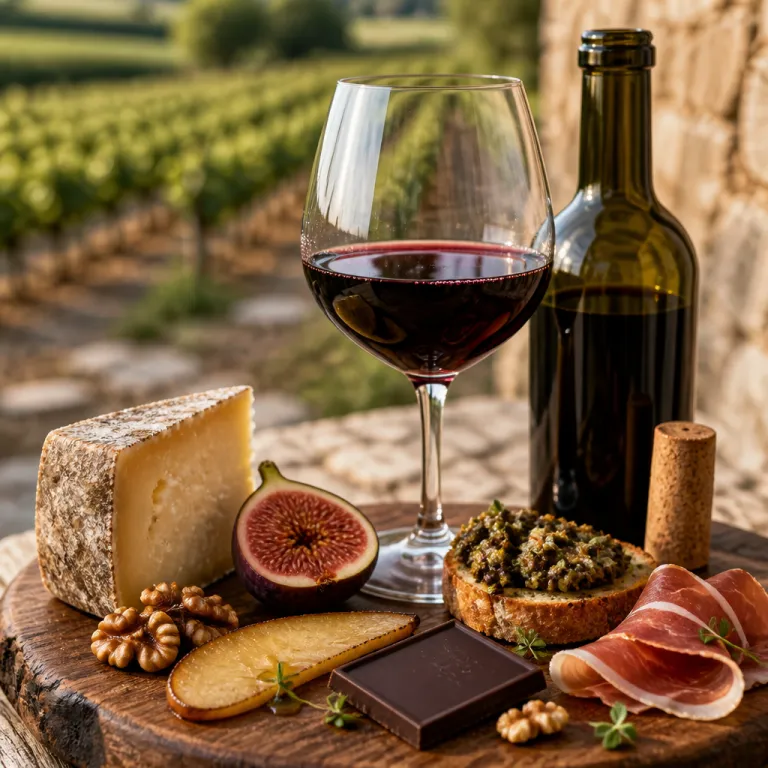
Designing luxe wine pairings for diverse foods while traveling
Luxe wine pairings for diverse foods begin long before the first sip. When you plan a vineyard journey, think about how each wine, from crisp white wines to structured red wines, will frame the food on your plate. This mindset turns every stop in wine country into a curated wine food itinerary rather than a simple tasting tour.
On the road, speak with sommeliers and chefs who understand how grapes, climate and local dishes interact. These experts work with hundreds of widely grown grape varieties and thousands of potential pairing combinations, so they know which wines pair best with regional fish, red meat or vegetables. Their guidance helps you read tasting notes, judge acidity and understand whether a full-bodied red or a delicate white will pair well with your chosen dish.
Use their advice to compare complementary and contrasting pairings during your travels. A complementary wine pairing mirrors the dominant flavors in the food, while a contrasting food pairing uses acidity, sweetness or smooth tannins to create tension and balance. Both approaches work well when you move between countries and culinary traditions, as long as you stay attentive to structure, aromas and texture in every glass of wine.
From vineyard to table: regional menus and special occasions
Special occasion menus in wine regions feel most luxurious when they reflect the country and terroir in your glass. In Burgundy, a dinner built around white Burgundy and Pinot Noir can follow your day among limestone slopes and old vines. This type of curated menu shows how wines and dishes echo the same soils, grapes and climate influences.
For a celebration in the Côte de Beaune, start with a white Burgundy whose citrus notes and firm acidity pair well with gougères or a fresh fish dish. Move to Pinot Noir with red fruit and subtle dark fruit tones, which will pair best with poultry, mushroom and truffle dishes or lighter red meat. A final glass of late-harvest wine can pair well with regional cheeses, creating a food wine arc that feels both local and refined.
Travelers planning milestone dinners should work closely with wineries and restaurants that specialise in wine pairing menus. Many estates now collaborate with chefs to create special occasion menus focused on wine food harmony, and some even use AI powered wine pairing tools to refine suggestions. For more ideas on curating special occasion menus during vineyard trips, study this guide on memorable wine and food pairings for celebrations.
Mastering white wines with seafood, vegetables and light courses
White wines are the backbone of many luxe wine pairings for diverse foods, especially along coastal wine routes. When you travel through regions like Marlborough, the Loire or coastal Chile, Sauvignon Blanc often leads the tasting line up. Its citrus notes, herbal flavors and high acidity pair best with seafood, salads and goat cheese.
On a seaside terrace, a glass of Sauvignon Blanc with fresh oysters shows how acidity and salinity can pair well with the sea. The wine’s citrus notes and green fruit flavors lift the briny character of the shellfish, while the lean body keeps the pairing light. In contrast, a richer white such as white Burgundy or a structured Chardonnay from Margaret River will pair best with buttered fish, roast chicken or mushroom and truffle risotto.
Travelers often ask how to handle casual dishes like pizza or flatbreads during vineyard stays. A vibrant white with good acidity can pair well with vegetable pizzas, while a softer red wine suits meat toppings. For a detailed look at elegant combinations, consult this resource on what wine goes with pizza for a travel inspired table, then adapt those ideas to local wines wherever you roam.
Red wines for red meat, game and truffle rich dishes
Red wines come into their own when your vineyard travels lead to hearty regional dishes. In Tuscany, a bistecca alla fiorentina calls for a structured red wine with smooth tannins and dark fruit, while in Bordeaux, Cabernet Sauvignon blends shine with lamb. These pairings show how tannins, body and fruit notes interact with protein and fat.
When you sit down to red meat in wine country, ask whether the cut is lean or richly marbled. A full-bodied red with firm tannins, such as Cabernet Sauvignon from Pauillac or a structured Malbec from Mendoza, will pair best with fatty steaks and slow cooked beef. For leaner dishes or game birds, Pinot Noir with red fruit and earthy flavors often pairs well, especially when mushrooms and truffle appear on the plate.
In cooler regions like Oregon’s Willamette Valley or New Zealand’s Central Otago, Pinot Noir offers delicate red fruit, bright acidity and silky texture. These wines pair well with duck, pork and mushroom based dishes, creating a refined food pairing that still feels grounded in the landscape. When you want a more relaxed yet still elevated experience, explore this guide to elevating your charcuterie experience with the best wine styles and translate those principles to local cured meats and cheeses.
Building tasting menus across countries and climates
Designing a multi course tasting menu during a wine journey requires attention to structure, not only flavors. Start with lighter white wines, move through rosé or lighter red wines, then finish with full-bodied red styles or sweet wines. This progression respects your palate and lets each wine pairing highlight a different aspect of the food.
Imagine a route that begins in the Loire, continues to Rioja and ends in the Douro. You might open with a fresh Sauvignon from Sancerre, whose citrus notes and acidity pair well with goat cheese and seasonal vegetables. In Rioja, a Tempranillo based red wine with smooth tannins and dark fruit can pair best with lamb or grilled red meat, before you close in Portugal with a fortified wine alongside blue cheese or chocolate desserts.
Chefs and sommeliers often rely on wine pairing charts and their own experience to balance a wide range of potential combinations. They consider how grapes behave in different climates, how oak aging changes flavors and how regional dishes express local identity. As one sommelier led guide explains to guests, “Tannins cut through fat, enhancing rich, fatty dishes.”
Practical strategies for luxe wine pairings on the road
Travelers who want luxe wine pairings for diverse foods need a simple framework they can apply in any country. First, read the tasting notes for each wine and identify key elements such as acidity, body, tannins and dominant flavors. Then match or contrast those elements with the main components of your dish, whether it is fish, red meat or a vegetable based plate.
When in doubt, remember a few reliable rules that work well across regions. High acidity white wines such as Sauvignon Blanc or dry Riesling pair well with fresh dishes, salads and many fish preparations. Medium bodied red wines with smooth tannins and red fruit, such as Pinot Noir, usually pair best with poultry, pork and mushroom dishes, while more powerful full-bodied red wines suit grilled meats and rich sauces.
Modern travelers can also benefit from AI powered wine pairing tools offered by some wineries and restaurants. These systems analyse your food wine choices, preferred flavors and even spice tolerance to suggest a wine pairing that feels tailored to you. Used alongside local expertise from chefs and sommeliers, they help you turn every vineyard stop into a confident, elegant food pairing experience.
Key statistics for wine and food pairing focused travel
- Specialists currently work with hundreds of recognised grape varieties in mainstream wine production worldwide, giving travelers a broad palette of flavors and textures to explore during vineyard trips.
- Professionals reference a large number of structured wine and food pairing combinations, which illustrates how many nuanced options exist beyond basic red meat and red wine matches.
- Global wine tourism boards report that visitors who book food pairing experiences at wineries tend to spend significantly more per day than tasting only guests, underlining the value of curated menus for both travelers and estates.
- Surveys from leading wine education bodies show that acidity, tannins and sweetness are the three structural elements most frequently cited by sommeliers when explaining why a specific wine pairing works with a given dish.
FAQ about luxe wine pairings for diverse foods while traveling
What is the best wine for spicy foods during a vineyard trip ?
When you encounter spicy dishes on your travels, slightly sweet wines often perform better than very dry styles. As pairing guides emphasise, “Slightly sweet wines like off-dry Gewürztraminer balance spice.” Look for off dry Riesling or Gewürztraminer in regions that produce aromatic white wines, and avoid high alcohol full-bodied red wines that can intensify heat.
Which wine pairs well with blue cheese on a winery menu ?
Blue cheese needs a wine with enough intensity and either sweetness or richness to stand up to its salt and pungency. Expert material notes that “Dry white wines like Viognier or Chardonnay complement blue cheese.” In many wine regions, you can also pair well aged Port, Sauternes or late harvest wines with blue cheese for a classic sweet and salty contrast.
How do tannins in red wine affect food pairing choices ?
Tannins are natural compounds in red wines that create a drying sensation on your gums. They interact with fat and protein in food, which is why structured red wines often pair best with steaks, lamb or rich braises. When a dish is lean or delicate, choose a red wine with smoother tannins, such as Pinot Noir, to avoid overwhelming the flavors.
How can I plan a special occasion menu in wine country ?
Start by choosing a theme around a specific region, grape or style, then build three to five courses that highlight local ingredients. Work with the estate’s sommelier to select wines whose acidity, body and flavors either mirror or contrast each dish. Many wineries now offer dedicated food pairing experiences, so you can adapt their existing menus to your celebration and ensure every wine pairing feels intentional.
Are AI powered wine pairing tools useful for travelers ?
AI powered wine pairing tools can be very helpful when you face unfamiliar local dishes or a long wine list. These tools analyse ingredients, sauces and cooking methods, then suggest wines whose structure and flavors should pair well with the food. Use them as a starting point, then refine the choice with local sommeliers who understand the nuances of their region’s wines.