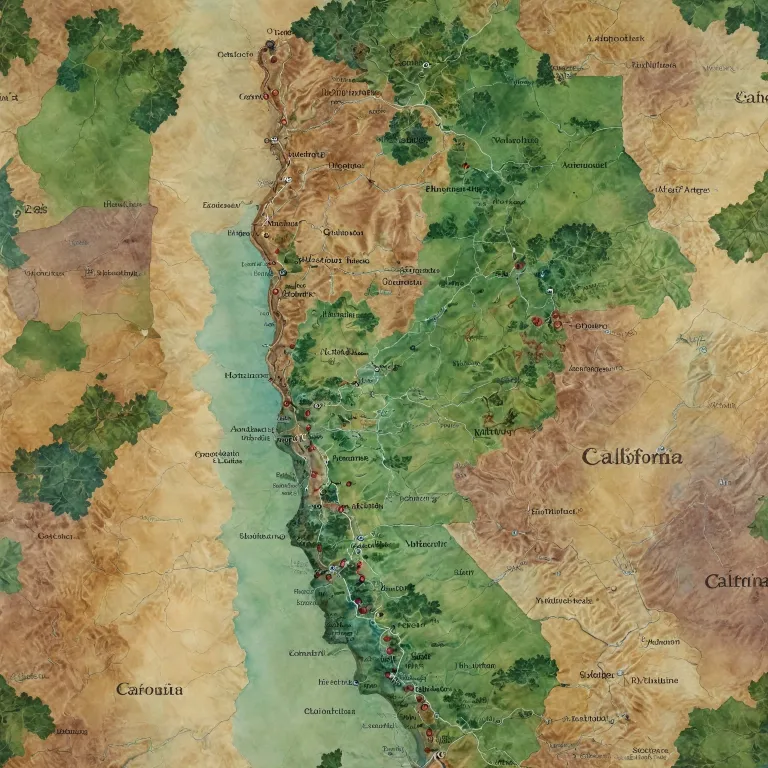
Understanding the diversity of California wine regions
California stands as the premier wine-producing state in the United States, responsible for approximately 90% of the nation's wine output. The california wine region map reveals a tapestry of landscapes, climates, and soils that shape the character of each wine, vineyard, and winery. From the lush valleys of Napa and Sonoma to the sun-kissed slopes of Paso Robles and Santa Barbara, every region offers a unique expression of grape and terroir. The concept of American Viticultural Areas (AVAs) is central to understanding this diversity, as each AVA—such as Napa Valley, Sonoma County, and Paso Robles—reflects distinct microclimates and grape varieties.
Travelers exploring the california wine region map encounter a range of experiences, from family-owned vineyards in the Santa Cruz Mountains to expansive estates in San Luis Obispo. The map highlights not only the famous Napa Valley and Sonoma County but also emerging regions like Santa Maria and Los Olivos. These areas are celebrated for their innovative winemaking and commitment to sustainable practices. The diversity of California's wine regions ensures that every visitor, whether a seasoned enthusiast or a curious newcomer, finds a destination that matches their palate and interests.
To truly appreciate the scope of California wine, one must consider the interplay between geography, climate, and grape selection. The valleys and hillsides of the state nurture a wide array of varietals, from robust cabernet sauvignon in Napa Valley to elegant pinot noir in Santa Barbara. The california wine region map serves as a vital tool for planning journeys through these regions, offering insights into the location of tasting rooms, family vineyards, and renowned wine companies. As you navigate this map, the intricate mosaic of California's wine culture becomes vividly apparent.
Key AVAs and their unique characteristics
The california wine region map is punctuated by over 100 recognized AVAs, each with its own story and signature style. Napa Valley, the state's first AVA, is synonymous with world-class cabernet sauvignon and elegant chardonnay. Its rolling hills and diverse microclimates support a mosaic of vineyards and wineries, many of which are family-run estates. Sonoma County, west of Napa, is renowned for its cool-climate pinot noir and chardonnay, with regions like Russian River Valley and Alexander Valley offering distinct expressions of these grapes.
Heading south, Paso Robles AVA in San Luis Obispo County has gained acclaim for its bold red blends and innovative winemaking. The region's varied soils and warm days create ideal conditions for grape ripening, attracting both established wine companies and new family vineyards. Santa Barbara County, including the Santa Maria and Santa Ynez Valleys, excels in producing nuanced pinot noir and syrah. The influence of the Pacific Ocean moderates temperatures, allowing for extended growing seasons and complex wines.
For those seeking lesser-known gems, the california wine region map highlights AVAs such as Santa Cruz Mountains and Los Olivos District. These areas, often overlooked by mainstream tourism, offer intimate tasting room experiences and a chance to engage with passionate winemakers. As you explore these AVAs, consider referencing the interactive California Winery Map for up-to-date information on vineyard locations, operating hours, and reservation policies. This resource is invaluable for planning a seamless and enriching wine journey.
Planning your journey: practical tips for wine and vineyard travel
Embarking on a tour of California's wine regions requires thoughtful planning to maximize enjoyment and discovery. Begin by consulting the california wine region map to identify the AVAs and vineyards that align with your preferences. Consider the distance between regions—Napa Valley and Sonoma County are within easy reach of San Francisco, while Paso Robles and Santa Barbara require a longer drive. Each region offers a distinct atmosphere, from the sophisticated tasting rooms of Napa to the laid-back charm of family vineyards in Santa Cruz.
When visiting a vineyard or winery, check their operating hours and reservation requirements in advance. Many estates, especially those in popular areas like Napa Valley and Paso Robles, recommend booking tastings ahead of time. This ensures a personalized experience and the opportunity to sample limited-release wines. For those interested in exploring multiple regions, the california wine region map can help chart an efficient route, highlighting clusters of vineyards and tasting rooms along the way.
Travelers are encouraged to explore emerging AVAs for unique wine experiences. The diversity of California's wine regions means that every journey offers something new, whether it's a family-run vineyard in San Luis Obispo or a historic estate in Sonoma County. For additional travel inspiration and detailed guides, visit Visit California's official wine travel page. This platform provides comprehensive resources for planning your next wine adventure.
The role of family vineyards and sustainable practices
Family vineyards are the backbone of California's wine industry, infusing each region with tradition, innovation, and a deep sense of stewardship. Across the california wine region map, visitors encounter multi-generational estates in Napa Valley, pioneering organic vineyards in Sonoma County, and artisanal producers in Paso Robles. These family-run operations often prioritize sustainable farming, water conservation, and biodiversity, ensuring the long-term health of their land and vines.
The commitment to sustainability is evident in regions like Santa Barbara and San Luis Obispo, where vineyards employ organic and biodynamic practices. Many wineries, including those in Santa Maria and Los Olivos, have adopted solar energy, cover cropping, and integrated pest management. These efforts not only protect the environment but also enhance the quality and character of the wines produced. The california wine region map serves as a guide to these progressive estates, inviting travelers to support responsible winemaking.
Engaging with family vineyards offers a more intimate and educational experience. Tasting rooms in these settings often provide behind-the-scenes tours, allowing guests to witness the winemaking process from grape to glass. The stories of these families, their dedication to the land, and their pursuit of excellence enrich every visit.
Exploring tasting rooms and wine companies across California
The california wine region map is dotted with a diverse array of tasting rooms, from grand estates in Napa Valley to cozy family-run venues in Santa Cruz. Each tasting room offers a unique ambiance, reflecting the personality of the vineyard and the vision of its winemakers. In Sonoma County, visitors can sample chardonnay and pinot noir in modern, architecturally stunning spaces, while in Paso Robles, rustic barns and outdoor patios set the stage for bold red blends.
Wine companies across California have embraced innovation, integrating technology into the tasting experience. Virtual tastings, interactive wine flights, and educational workshops are now common features, enhancing visitor engagement. The california wine region map helps travelers locate these experiences, whether they seek a traditional tasting or a cutting-edge event. Many tasting rooms also offer food pairings, vineyard tours, and opportunities to meet the winemakers, deepening the connection between guest and grape.
For those interested in exploring the breadth of California wine, consider visiting multiple regions in a single trip. The proximity of AVAs such as Napa Valley, Sonoma County, and Mendocino allows for a varied itinerary. Each stop along the california wine region map reveals new flavors, techniques, and stories, making every journey a celebration of California's rich wine heritage. "The Wine Institute offers an interactive California Winery Map, accessible at https://californiatoday.com/news/wine/californias-interactive-winery-map-is-live-for-2025/."
Emerging trends and future directions in California wine tourism
California's wine regions are evolving, driven by innovation, sustainability, and changing consumer preferences. The california wine region map reflects this dynamic landscape, highlighting the rise of new AVAs and the growth of wine tourism in areas like San Luis Obispo and Santa Barbara. There is increased interest in sustainable and organic wine production, with many vineyards adopting eco-friendly practices and certifications. This trend resonates with travelers seeking authentic, responsible experiences.
Technology is playing a pivotal role in shaping the future of wine tourism. Interactive maps, digital tasting notes, and online reservation systems streamline the visitor experience, making it easier to explore the vast array of vineyards and wineries. The integration of virtual tastings and educational content allows enthusiasts to engage with California wine from anywhere in the world. As the california wine region map continues to evolve, it serves as both a guide and a reflection of the industry's commitment to excellence and accessibility.
Looking ahead, the collaboration between family vineyards, wine companies, and tourism organizations will further enhance the appeal of California's wine regions. The focus on quality, sustainability, and hospitality ensures that every visitor enjoys a memorable and meaningful journey. Whether exploring the iconic estates of Napa Valley or the hidden gems of Santa Cruz, the california wine region map remains an indispensable resource for wine lovers and travelers alike.
Connecting California's wine regions to global wine culture
California's influence on the global wine stage is undeniable, with its wines celebrated in markets across the United States and beyond. The california wine region map illustrates the state's vast network of vineyards, wineries, and AVAs, each contributing to a vibrant and diverse wine culture. From the historic estates of Napa Valley to the innovative producers of Paso Robles, California wines reflect a blend of tradition, creativity, and terroir.
Travelers from around the world are drawn to California's wine regions, seeking to experience the renowned hospitality, scenic landscapes, and exceptional wines. The state's proximity to major cities like San Francisco enhances its accessibility, making it a top destination for wine tourism. As visitors explore the california wine region map, they gain a deeper appreciation for the artistry and dedication that define California's wine industry.
By engaging with local vineyards, tasting rooms, and wine companies, travelers become part of a global community of wine enthusiasts. The stories, flavors, and traditions encountered along the way enrich not only the individual journey but also the broader narrative of wine culture. California's commitment to quality, sustainability, and innovation ensures that its wine regions will continue to inspire and delight for generations to come.
Key statistics on California wine regions
- California produces approximately 90% of the wine in the United States.
- There are over 100 recognized American Viticultural Areas (AVAs) in California.
Frequently asked questions about California wine regions
What are the major wine regions in California?
California's major wine regions include the North Coast, Central Coast, Inland Valleys, Sierra Foothills, and Southern California.
How many AVAs are there in California?
As of 2025, California has over 100 recognized American Viticultural Areas (AVAs).
Where can I find an interactive map of California's wineries?
The Wine Institute offers an interactive California Winery Map, accessible at https://californiatoday.com/news/wine/californias-interactive-winery-map-is-live-for-2025/.
References: California Wine Institute, Visit California, Vineyards.com