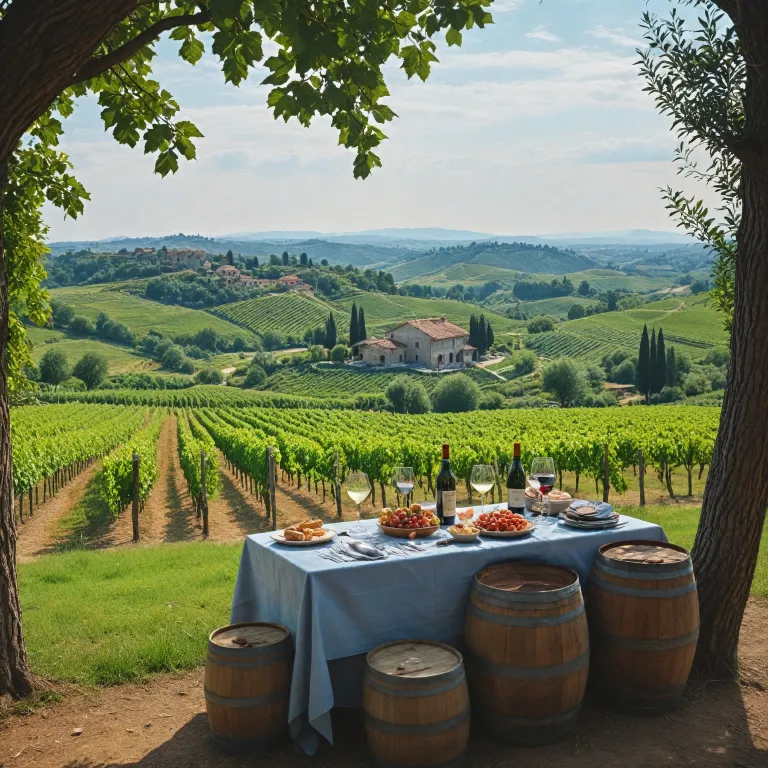
Exploring Italy’s iconic wine regions: from Tuscany to Piedmont
Italy’s wine regions offer an extraordinary tapestry of landscapes, flavors, and traditions. Tuscany stands out for its rolling hills and the renowned Chianti Classico, where vineyards stretch as far as the eye can see. The region’s wineries, such as Antinori nel Chianti Classico and Fèlsina, provide exceptional wine tasting experiences, allowing visitors to savor both red wines and olive oil produced on site. Piedmont, home to Marchesi di Barolo and Ceretto, is celebrated for its Barolo and Barbaresco wines. These vineyards are perfect for those who love structured tastings and in-depth reviews of Italian wine. The region’s tasting rooms are designed to immerse guests in the local culture, offering food wine pairings that highlight the best of Piedmontese cuisine. For travelers seeking a blend of tradition and innovation, Alto Adige’s vineyards, including Elena Walch and Alois Lageder, showcase biodynamic practices and crisp white wines. Each wine region in Italy presents unique opportunities for wine tours, tastings, and unforgettable experiences. Whether you are planning to visit Italy for the first time or returning to explore new wineries, the diversity of vineyards ensures every wine lover will fall in love with the journey.Unforgettable wine tasting experiences in Tuscany and beyond
Tuscany is synonymous with world-class wine tasting, and its vineyards offer some of the best experiences in Italy. At Castello Banfi, guests can participate in guided wine tours, sample Brunello di Montalcino, and enjoy the tranquil beauty of the surrounding countryside. The tasting rooms at Rocca delle Macìe and Querciabella provide intimate settings for exploring Chianti Classico and other regional wines. Each winery in Tuscany crafts its own approach to tastings, with options ranging from casual sips to structured reviews led by expert sommeliers. Beyond Tuscany, regions like Umbria and Campania are gaining recognition for their innovative wineries, such as Tenuta Castelbuono and Feudi di San Gregorio. These destinations combine wine tastings with culinary experiences, offering food wine pairings that showcase local ingredients. For those who love immersive experiences, many vineyards now offer cooking classes and wellness retreats alongside traditional wine tours. The rise of personalized and private wine tours reflects a growing demand for deeper connections with Italy’s wine culture. To enhance your journey, consider exploring the comprehensive guide to Italian wine regions for insights into the best vineyards and tasting experiences across the country.Piedmont’s legendary vineyards: Barolo, Barbaresco, and beyond
Piedmont is a must-visit region for anyone passionate about Italian wine, with its vineyards producing some of the world’s most acclaimed red wines. Marchesi di Barolo and Pio Cesare are iconic wineries where visitors can enjoy guided tastings of Barolo and Barbaresco, exploring the nuances that make these wines exceptional. The tasting rooms at Ceretto and Gaja offer a blend of tradition and modernity, with innovative approaches to winemaking and hospitality. Piedmont’s wine tours often include visits to historic cellars, where guests can sample wines alongside local delicacies such as truffles and aged cheeses. The region’s best vineyards are committed to sustainable practices, ensuring that each wine tasting experience is both authentic and environmentally conscious. For those seeking a deeper connection, agriturismo stays at wineries like Relais San Maurizio provide an immersive experience in the heart of the vineyards. The region’s love for wine is evident in every aspect of the visit, from the meticulous reviews of each vintage to the warm hospitality extended to guests. To further enrich your journey, explore the ultimate wine tasting itinerary for Piedmont, which highlights the best wineries and experiences in the region.Alto Adige and the rise of biodynamic vineyards
Alto Adige, nestled in northern Italy, is renowned for its alpine landscapes and innovative approach to winemaking. Wineries such as Alois Lageder and Elena Walch have embraced biodynamic practices, producing wines that reflect the purity of the region’s terroir. The tasting rooms here offer a serene setting for sampling crisp white wines and aromatic reds, with guided tastings that delve into the unique characteristics of Alto Adige’s vineyards. Wine tours in this region often include visits to family-owned wineries, where guests can learn about traditional methods and modern innovations. The region’s best vineyards are committed to sustainability, ensuring that each wine tasting experience is both memorable and responsible. Alto Adige’s wine tours are complemented by culinary experiences, with food wine pairings that highlight local specialties such as speck and mountain cheeses. The region’s love for wine is evident in the passion of its winemakers and the quality of its wines. For those planning to visit Italy, Alto Adige offers a refreshing alternative to the more famous wine regions, with a focus on authenticity and innovation. To discover more about biodynamic vineyards and their impact on Italian wine, consult the comprehensive resource on sustainable wine tourism.Unique wine and food experiences: from olive oil tastings to cooking classes
Italian vineyards are celebrated not only for their wines but also for the immersive experiences they offer. Many wineries now provide olive oil tastings, allowing guests to explore the nuances of this essential Italian product alongside their wine tastings. Cooking classes are increasingly popular, with vineyards such as Tenuta Cavalier Pepe and Donnafugata inviting visitors to prepare regional dishes using local ingredients. These experiences deepen the connection between food and wine, highlighting the importance of terroir in both. Wine tours often include visits to the vineyard’s kitchen gardens, where guests can learn about the seasonal produce that complements the wines. The best vineyards in Italy understand that a memorable visit involves all the senses, from the aroma of fermenting grapes to the taste of freshly pressed olive oil. For those who fell in love with Italian wine, these experiences offer a new perspective on the region’s culinary heritage. The integration of food wine pairings, olive oil tastings, and hands-on classes ensures that every visit is unique and enriching. As the demand for personalized experiences grows, wineries continue to innovate, offering guests the chance to participate in harvest activities and wellness retreats.Planning your Italian wine tour: tips for an unforgettable journey
Organizing a wine tour in Italy requires careful planning to ensure the best experiences. Book tastings at least 4–6 weeks in advance, especially during the harvest season, to secure your spot at the most sought-after vineyards. Align your visit with the harvest window in late September through October for a more immersive experience, or choose spring for fewer crowds and vibrant landscapes. Many vineyards offer accommodations, providing a comprehensive experience that allows guests to fully immerse themselves in the wine region. Guided tours, self-guided visits, and culinary experiences are available across Italy, catering to every preference. The use of online reservations and local tour operators simplifies the process, ensuring a seamless journey from one winery to the next. As interest in vineyard accommodations and personalized wine tours continues to rise, it is essential to research and select the best vineyards for your itinerary. “The best time is during the harvest season (September–October) for active vineyard activities, but spring (April–June) offers fewer crowds and fresh landscapes.” This expert advice highlights the importance of timing your visit for the most rewarding experiences. Whether you are exploring the red wines of Valpolicella or the sparkling wines of Franciacorta, a well-planned tour will leave you with lasting memories and a deeper appreciation for Italian wine.Key statistics on Italian vineyards and wine tourism
- There are approximately 310,000 vineyards in Italy, making it one of the world’s most prolific wine-producing countries.
- Food and wine tourism contributes 40 billion euros to Italy’s GDP, reflecting the importance of wine experiences to the national economy.
- 40% of Italian tourists visit wineries, highlighting the popularity of wine tours and tastings across the country.
Frequently asked questions about visiting Italian vineyards
When is the best time to visit Italian vineyards?
The best time is during the harvest season (September–October) for active vineyard activities, but spring (April–June) offers fewer crowds and fresh landscapes.
Do I need to book vineyard tours in advance?
Yes, it's recommended to book tastings at least 4–6 weeks ahead, especially during peak seasons.
Are there accommodations available within vineyards?
Many vineyards offer accommodations ranging from luxury resorts to agriturismo stays, providing an immersive experience.
References:
EF Go Ahead Tours
Gambero Rosso International
Gambero Rosso International